Why the sauna remains one of the most enduring rituals of recovery in northern Europe.
Topics: sauna tradition · Nordic culture · recovery routines · heat exposure
A room built for recovery
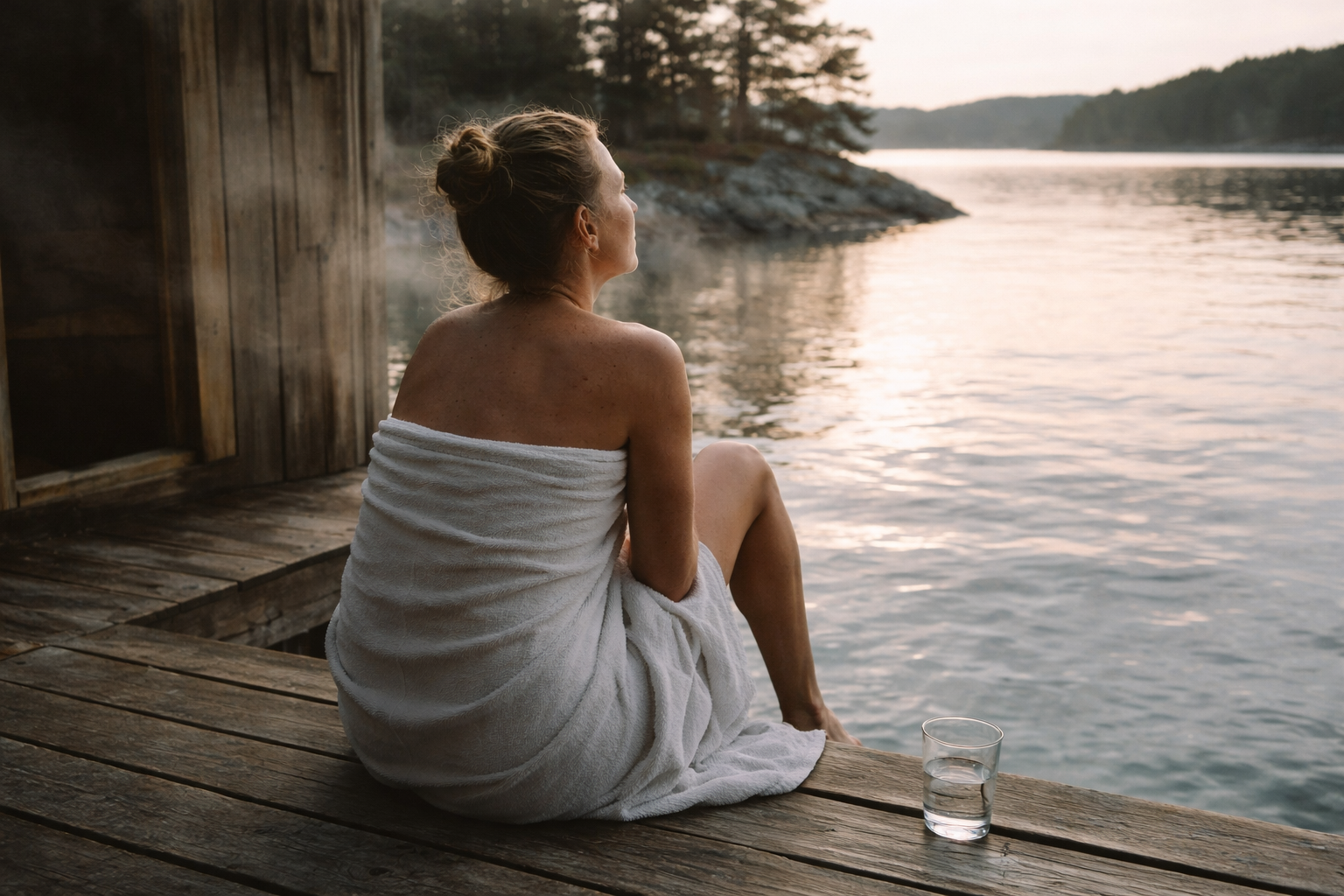
In many Nordic homes and communities, the sauna is one of the simplest rooms imaginable: wood, stone, heat, and water. Yet its role has been unusually persistent.
Long before modern bathrooms, the sauna served as a place to wash, to recover from illness, and to restore the body after demanding work outdoors. It was often the warmest and cleanest room available — a place where people gathered not only to cleanse the body but to pause.
Even today, the sauna remains less about luxury and more about recovery.
The cycle that defines the ritual
A traditional sauna session rarely consists of a single visit to the heat. Instead, it follows a rhythm.
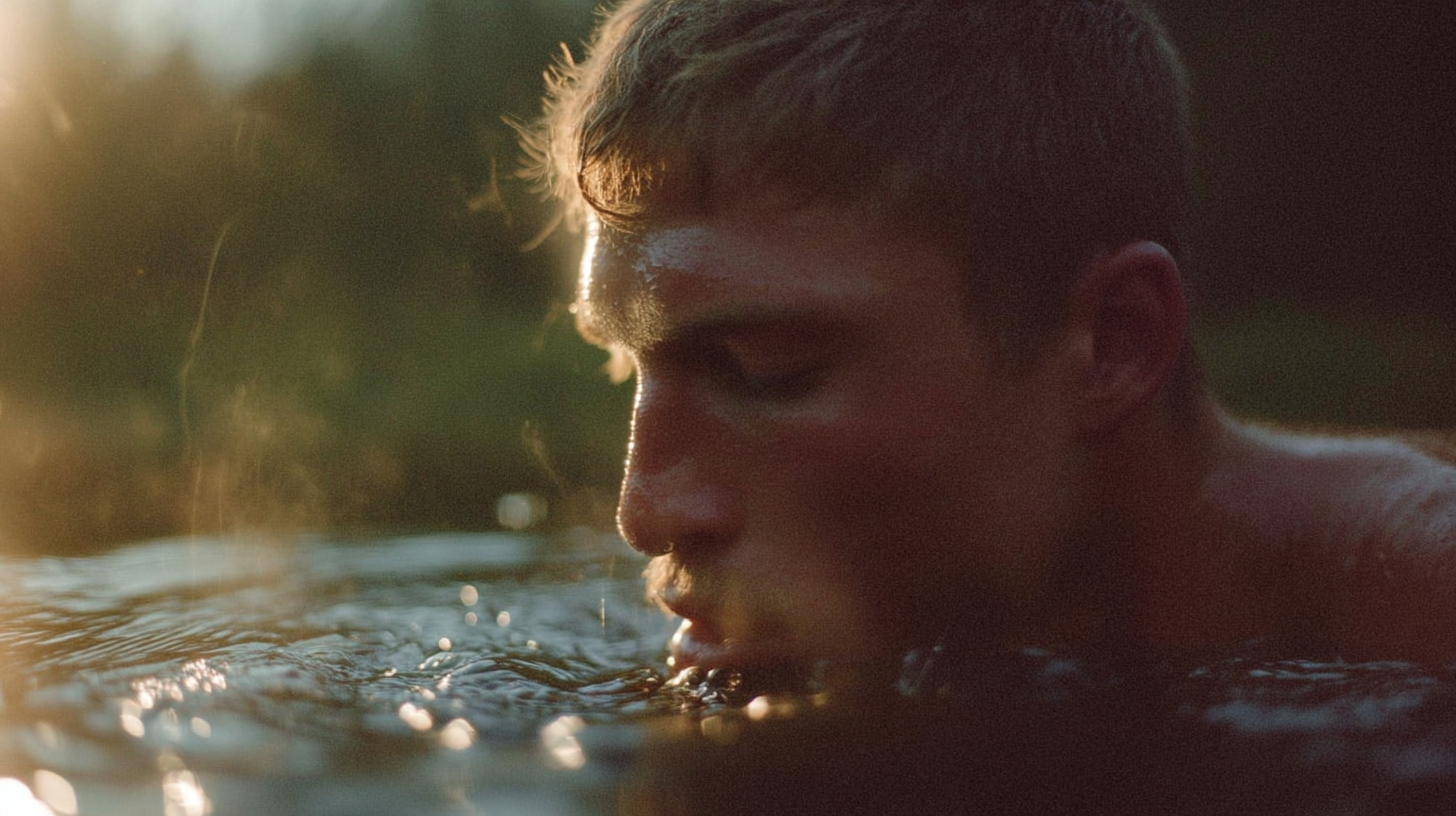
The body warms slowly in the sauna. After several minutes, people step outside into cool air or water. Then they return again to the heat. This cycle may repeat three or four times.
Heat raises circulation and heart rate. Cooling resets breathing and alertness. The alternation creates a distinct physical and mental transition between effort and rest.
Many Nordic athletes describe this sequence not as relaxation but as maintenance.
What happens around the sauna
The sauna rarely stands alone. It is usually part of a broader routine.
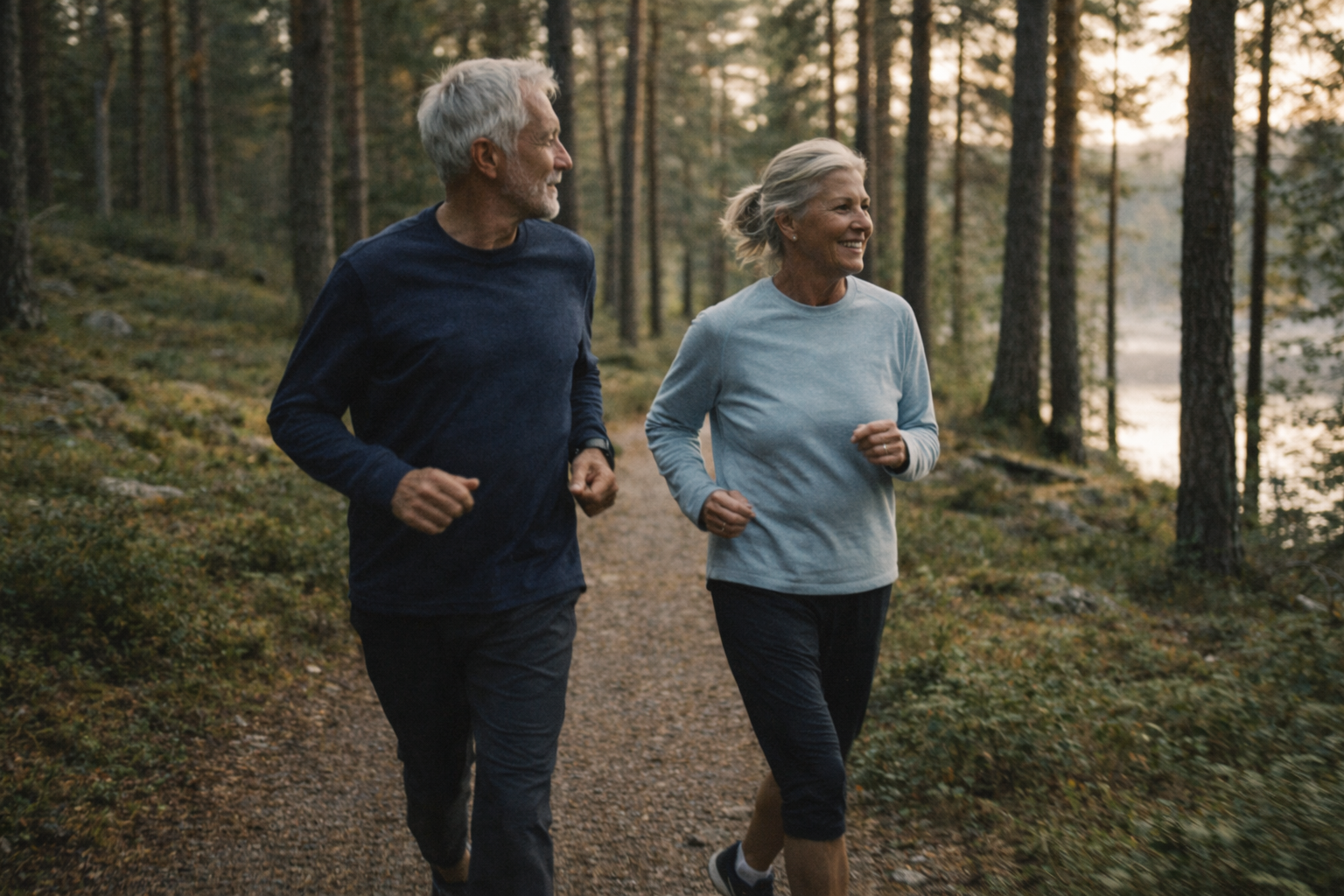
People often arrive after movement — skiing, walking, cycling, or swimming. They hydrate, sit quietly between rounds of heat, and allow the body to recover gradually.
This combination of activity, heat, cooling, and rest forms a kind of structured pause in the day. The body shifts from exertion to restoration.
Researchers studying sauna bathing often observe that the practice works best in exactly this context: repeated heat exposure combined with regular physical activity and recovery habits.
The quiet discipline of energy
Maintaining this rhythm requires energy — not explosive bursts, but steady output across long days and seasons.
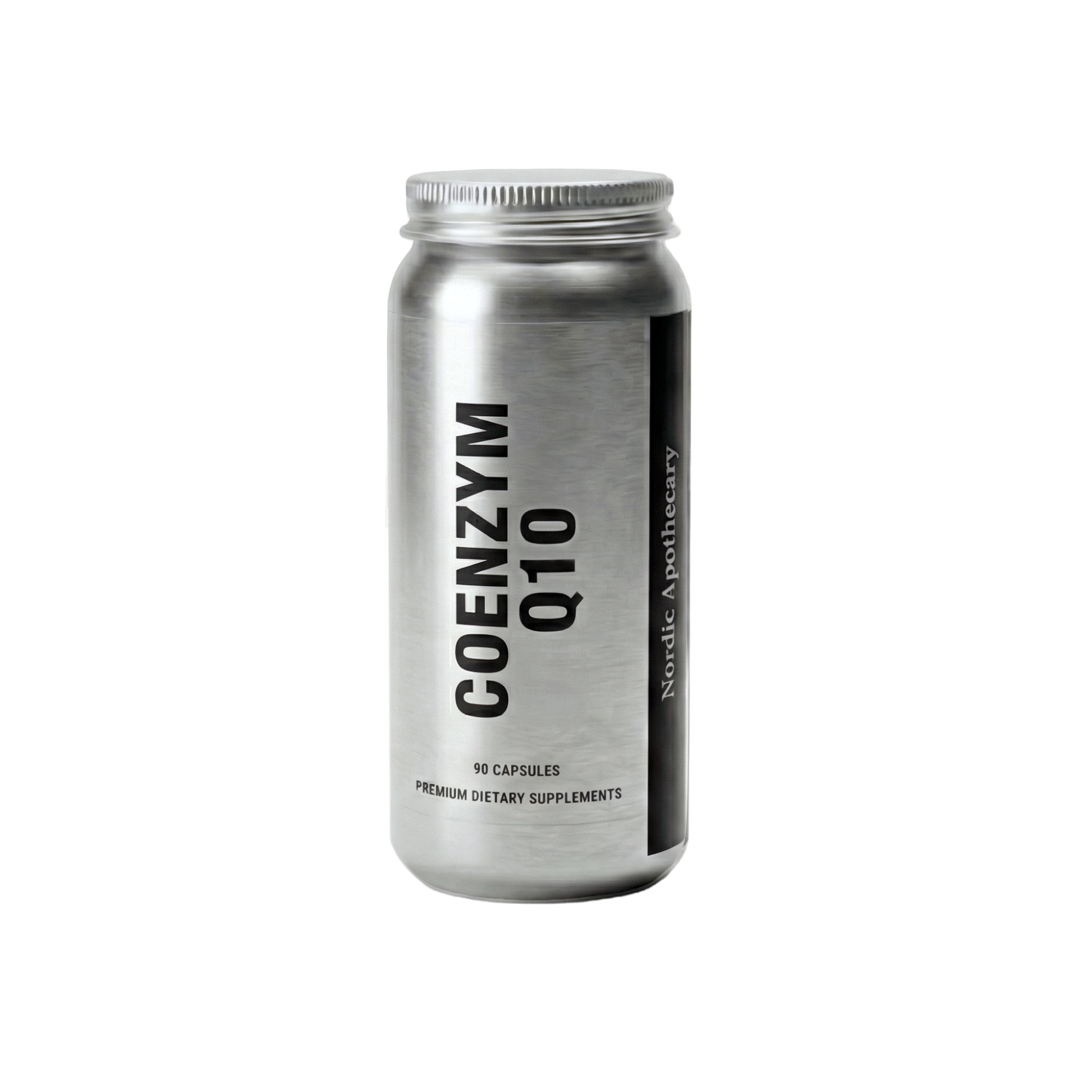
For that reason, many people who follow physically active lifestyles also pay attention to nutritional routines that support cellular energy systems. One compound often discussed in this context is Coenzyme Q10, a molecule naturally present in the body and involved in cellular energy metabolism.
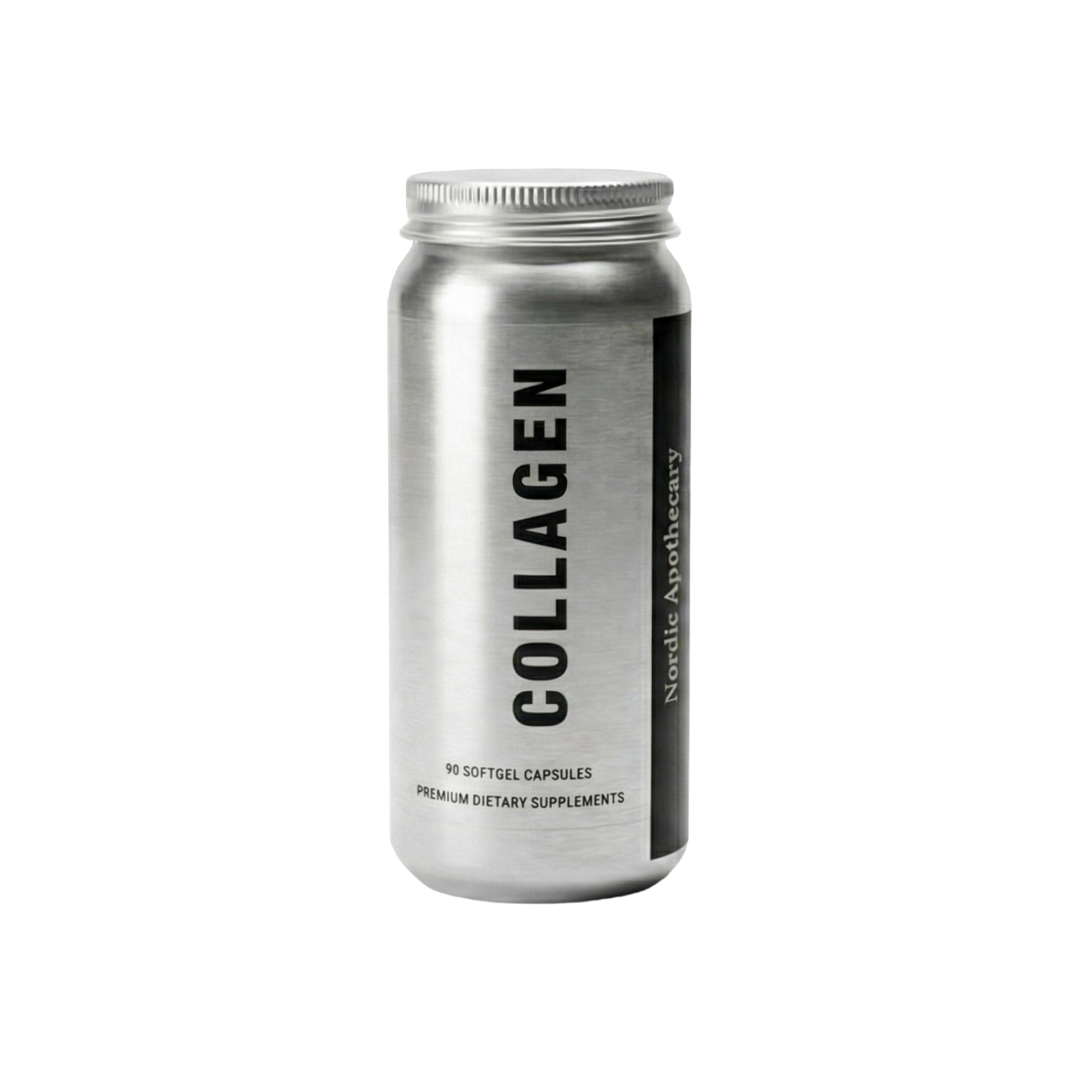
Rather than acting as a stimulant, Q10 is typically taken as a daily supplement alongside routines built around movement and recovery.
In this sense, the sauna ritual and nutritional routines serve similar purposes: both aim to maintain the body’s capacity to recover and continue.
A ritual that holds the day together
The sauna remains compelling precisely because it creates a boundary in the day. Work pauses. Phones are left outside. Conversation slows.
In Nordic cultures this pause is not treated as indulgence but as a practical habit — a way to reset the body before the next cycle of activity begins.
Over time, the repetition of these small practices becomes the real benefit.
For people who maintain active routines that include movement, heat, and recovery, Nordic Apothecary Coenzyme Q10 can be included as part of that same daily rhythm.