How Antarctic krill became one of the most studied marine nutrients in modern nutrition.
Topics: Antarctic ecosystem · krill oil · phospholipid omega-3 · marine nutrition
At the beginning of the food chain
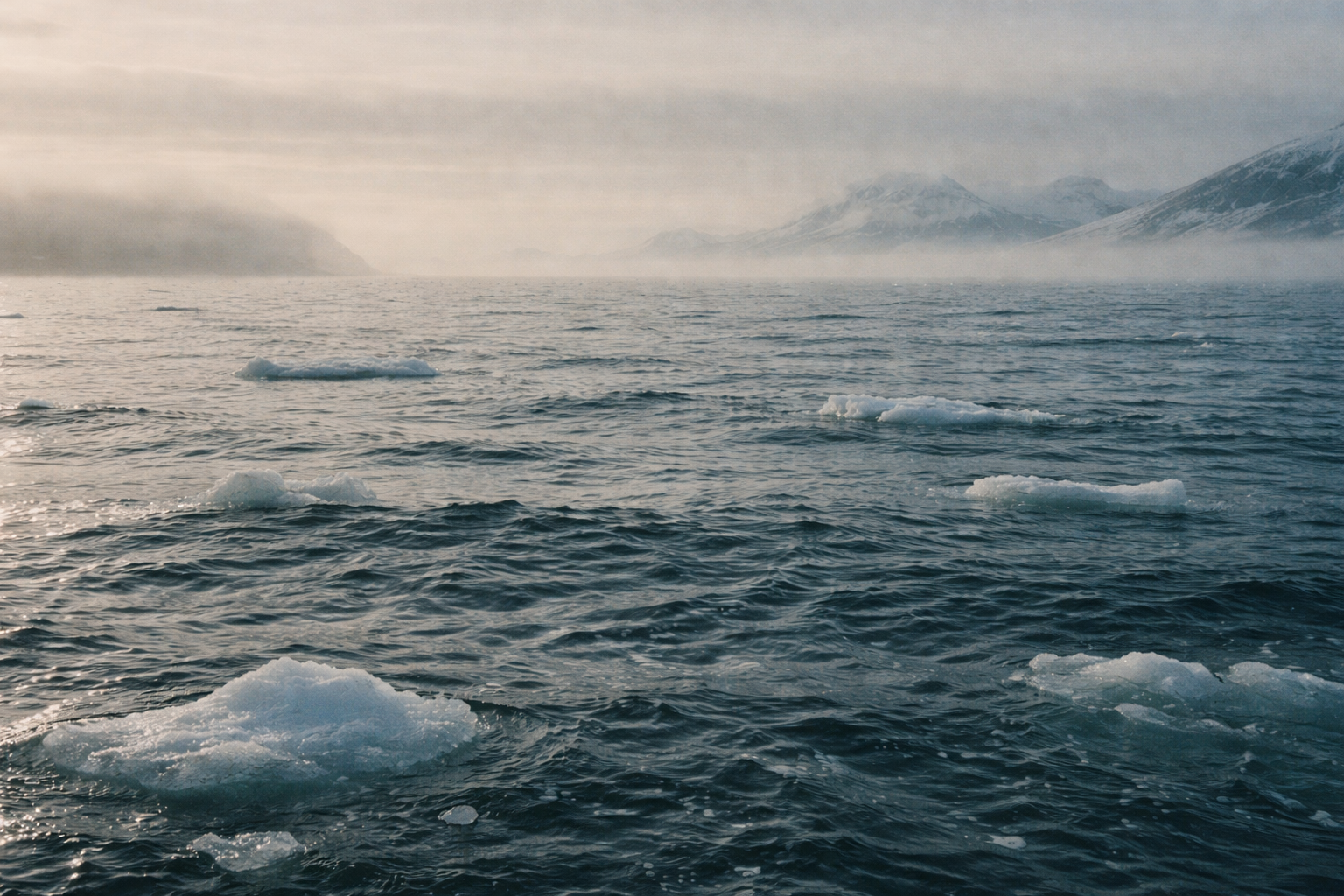
Krill live in the cold waters of the Southern Ocean, feeding on microscopic algae rich in essential fatty acids. These small crustaceans form the foundation of one of the largest marine ecosystems on Earth. Fish, seals, and whales all depend on them.
Because krill exist at such a low level of the food chain, nutrients remain close to their original biological form before they accumulate in larger marine species. For marine nutrition, this position matters. It means the ocean’s nutrients are captured early, where biological complexity is still intact.
A different structure of omega-3
Krill oil contains the same omega-3 fatty acids found in fish oil — EPA and DHA — but the way they are arranged is different.
In krill, these fatty acids are largely carried in phospholipids, molecules that also form the membranes surrounding every cell in the body. These phospholipids naturally contain choline and are accompanied by astaxanthin, the pigment responsible for the oil’s deep red colour.
This natural combination — omega-3 fatty acids, phospholipids, choline, and astaxanthin — is one reason krill oil has attracted scientific attention in recent years.

What research has explored
Marine omega-3 fatty acids have been studied for decades in relation to cardiovascular health and cellular lipid composition. Krill oil has been examined in human studies exploring how omega-3 fatty acids integrate into cell membranes.
Research has also investigated how krill oil supplementation influences the Omega-3 Index — a measurement reflecting the proportion of EPA and DHA present in red blood cell membranes and used as an indicator of long-term omega-3 intake.
Scientists have also explored the role of phospholipid-bound omega-3 and choline in relation to physical stress and endurance activity.
Sustainability in the southern ocean
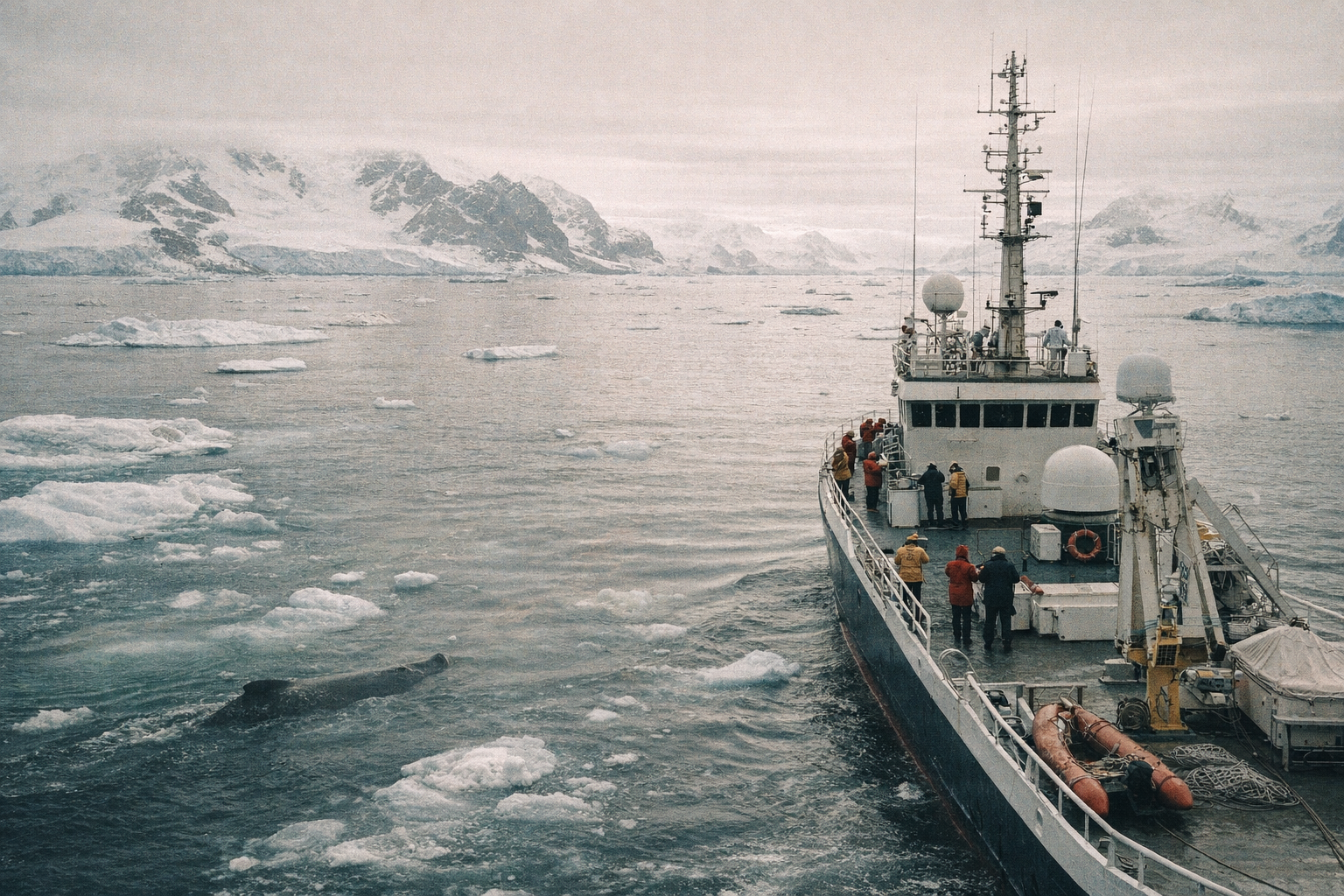
Krill harvesting is regulated under the international CCAMLR convention, one of the strictest marine conservation frameworks in the world. Catch limits remain far below estimated krill biomass, and vessels are monitored continuously to protect the Antarctic ecosystem.
This balance between science and stewardship reflects a principle familiar in Nordic culture: resources must remain viable not only today, but for generations.
A habit that holds
Health rarely arrives through dramatic change. It grows from routines repeated over time — movement outdoors, simple food, and habits that remain steady through long seasons.
Marine oils have been part of this rhythm for centuries. Today, krill oil represents a modern continuation of the same principle: small daily practices that help maintain balance over time.
For those who want to include krill oil as part of a daily routine, Nordic Apothecary Arctic Krill Oil is the krill oil in our range.